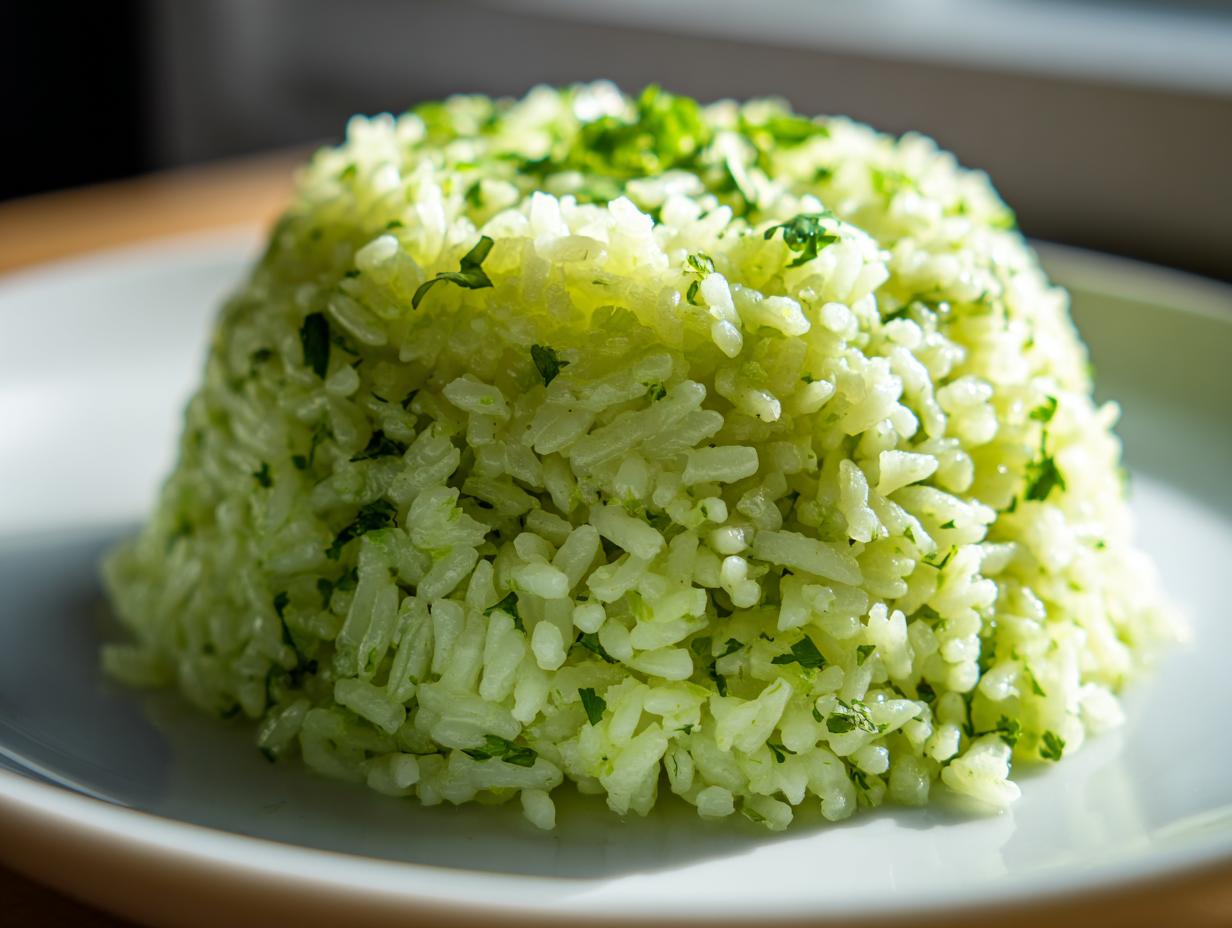
Secret to Perfect Cilantro Lime Rice: Rinse, Toast, & Rest for Restaurant-Quality Flavor at Home
Transforming ordinary rice into a vibrant, zesty, and fluffy culinary delight is easier than you think. If you've ever savored the bright, fresh flavors of perfectly cooked cilantro lime rice at your favorite restaurant and wished you could replicate it, you're in luck. This guide will reveal the simple yet often overlooked steps that are key to mastering how to make cilantro lime rice that rivals, or even surpasses, the best takeout versions.
Forget mushy, bland grains; we're talking about a side dish so irresistibly aromatic and perfectly textured, it often steals the show. The secret lies not in complex techniques, but in a trio of fundamental steps: proper rinsing, a brief toasting, and a crucial resting period. Master these, and you'll consistently achieve that light, separated, and incredibly flavorful rice everyone craves.
The Foundation: Essential Ingredients for Flavorful Cilantro Lime Rice
Before diving into the methodology, understanding the role of each ingredient is crucial. Quality components lay the groundwork for exceptional taste and texture.
- Rice: The Unsung Hero
For that signature light and fluffy texture, long-grain white rice is your best friend. Varieties like Jasmine or Basmati are particularly excellent choices due to their inherent fragrance and ability to remain distinct after cooking. Their slender grains prevent clumping, which is vital for this recipe. While brown rice can be used, its different cooking requirements mean a slight deviation from this method will be necessary to achieve optimal results. - Aromatic Base: Onion and Garlic
These humble ingredients are flavor powerhouses. Finely chopped onion and minced garlic, sautéed gently, create a savory depth that elevates the entire dish beyond mere seasoned rice. The warmth they impart is a subtle but significant layer of flavor. - The Cooking Liquid: Water or Broth?
While water works perfectly well, using a light broth—vegetable or chicken—is a game-changer. Broth infuses the rice with an extra layer of savory flavor, adding complexity that plain water simply can't match. It’s a simple swap with a significant impact. - The Zest of Life: Fresh Limes
There's no substitute for fresh lime juice. Bottled lime juice simply doesn't deliver the same vibrant, tangy punch. For an extra burst of aromatic citrus, consider adding a pinch of lime zest to the finished rice – but remember to zest your lime before you juice it! - The Green Star: Cilantro
Cilantro is what gives this dish its iconic name and characteristic freshness. We recommend using a generous amount of freshly chopped cilantro, including the tender stems, which hold just as much flavor as the leaves. If cilantro isn't to your taste (we know it has its detractors!), you can omit it entirely to make a delicious plain lime rice. - The Binder: Oil or Butter
A small amount of oil or butter is essential for toasting the rice and sautéing the aromatics. It helps develop flavor and contributes to the overall texture of the grains.
Unlocking Perfection: The Three Core Secrets to Making Cilantro Lime Rice
Achieving restaurant-quality cilantro lime rice boils down to three fundamental, yet often overlooked, techniques. These aren't just steps; they're the pillars that guarantee fluffy, separate grains bursting with flavor.
1. Rinse Your Rice (Thoroughly!)
This is arguably the most critical step for achieving fluffy, non-sticky rice. Many home cooks skip it, but it's the absolute best tip for perfect grains.
- Why it works: Rice grains are coated in a layer of surface starch. Without rinsing, this starch turns gluey during cooking, resulting in a sticky, clumpy texture. Rinsing removes this excess starch, allowing the individual grains to cook up light and separate.
- How to do it: Place your rice in a fine-mesh strainer. Run cool water over it, moving the rice around with your fingers. Continue rinsing until the water running through the strainer is completely clear. This can take a few minutes, but it's well worth the effort. Think of it as preparing your canvas for a culinary masterpiece.
2. Toast Your Rice (A Flavor Game-Changer)
Once rinsed and drained, the next step builds an incredible depth of flavor that sets this recipe apart.
- Why it works: Toasting the dry rice grains in a bit of oil or butter before adding liquid achieves several things. Firstly, it develops a beautiful nutty flavor. Secondly, it helps to seal the exterior of each grain, making it less prone to breaking down and becoming mushy during cooking. This contributes significantly to that desired firm-but-tender texture.
- How to do it: In a sturdy pot, heat a tablespoon of oil or butter over medium heat. Add your chopped onion and sauté until softened and fragrant (about 2-3 minutes). Then, add the rinsed and drained rice. Stir continuously for 3-5 minutes, allowing the rice grains to toast lightly. You'll notice they become slightly translucent and emit a wonderful, nutty aroma. Finally, stir in your minced garlic for about 30 seconds until fragrant, being careful not to burn it, before adding your cooking liquid. This method ensures your rice is incredibly flavorful from the inside out. For more expert insights, check out Master Cilantro Lime Rice: Pro Tips for Fluffy, Flavorful Grains.
3. The Covered Rest (The Forgotten Step for Fluffiness)
The cooking doesn't end when you turn off the heat. The resting period is just as crucial as the active cooking time.
- Why it works: After the rice has simmered, the grains have absorbed much of the liquid, but they're not quite fully hydrated and tender. Removing the pot from the heat and letting it rest, covered, allows the remaining steam to gently finish cooking the rice, distributing moisture evenly. This prevents mushiness and ensures every grain is perfectly plump and fluffy. It's like a mini-sauna for your rice!
- How to do it: After your rice has simmered on low heat for the recommended time (typically 15-18 minutes for white rice), remove the pot from the heat. Do not lift the lid! Leave it undisturbed, still covered, for at least 10-15 minutes. This resting time is non-negotiable for achieving that ideal fluffy texture.
The Grand Finale: Infusing Freshness and Serving Your Masterpiece
With the cooking and resting complete, it's time to bring in the stars of the show: fresh lime and cilantro. The timing here is key to preserving their vibrant flavor and aroma.
- Fluff Gently: Once the resting time is up, carefully remove the lid. Use a fork to gently fluff the rice. Avoid stirring aggressively, as this can break the delicate grains. The fork gently separates them, allowing steam to escape and creating that light, airy texture.
- Add Last: Only now do you stir in the fresh lime juice and generous amounts of chopped cilantro. Adding them at the very end ensures the lime's bright acidity isn't cooked off, and the cilantro retains its fresh, herbaceous bite and vibrant green color. A little lime zest can also be stirred in for an extra aromatic kick.
- Taste and Adjust: Give the rice a taste. Does it need a pinch more salt? A dash more lime? Adjust to your preference. Remember, seasoning is personal!
Beyond the Bowl: Creative Serving Suggestions for Cilantro Lime Rice
This versatile rice isn't just a side dish; it's a foundation for countless delicious meals. Its bright, zesty profile complements a wide array of cuisines and dishes.
- Mexican Fiesta: It's the perfect accompaniment to classic Mexican fare like fajitas, enchiladas, burritos (especially spicy cauliflower burritos!), tacos, and carnitas. Pair it with homemade refried beans or incredible black beans for a complete meal.
- Grill Master's Best Friend: Serve it alongside grilled chicken, fish, or shrimp. The lime and cilantro beautifully cut through the richness of grilled meats and add a fresh counterpoint to seafood, such as cilantro lime garlic butter shrimp.
- Hearty Bowls: Use it as the base for vibrant rice bowls piled high with your favorite proteins, roasted vegetables, and a creamy dressing.
- Salad Starter: Cool it down and add it to a robust grain salad with black beans, corn, avocado, and a light vinaigrette.
- Essential Sides: Don't forget the accompaniments! It's fantastic with fresh guacamole, and various salsas like pico de gallo, corn and black bean salsa, or a smoky roasted tomatillo salsa.
The beauty of perfect cilantro lime rice lies in its ability to elevate simple meals into something truly special. It’s a dish that brings freshness, flavor, and an undeniable zest to any table.
Conclusion
Mastering how to make cilantro lime rice is an incredibly rewarding culinary skill. By embracing the simple yet transformative steps of rinsing, toasting, and resting, you'll unlock a depth of flavor and a perfect texture that will impress family and friends alike. This isn't just about cooking rice; it's about crafting an experience – a vibrant, fluffy, and aromatic side dish that elevates any meal. So, the next time you crave that restaurant-quality flavor, remember these secrets and prepare to create your best batch of cilantro lime rice yet!
